What Is Middlemalism? Three Ways to Create a Middlemalist Home
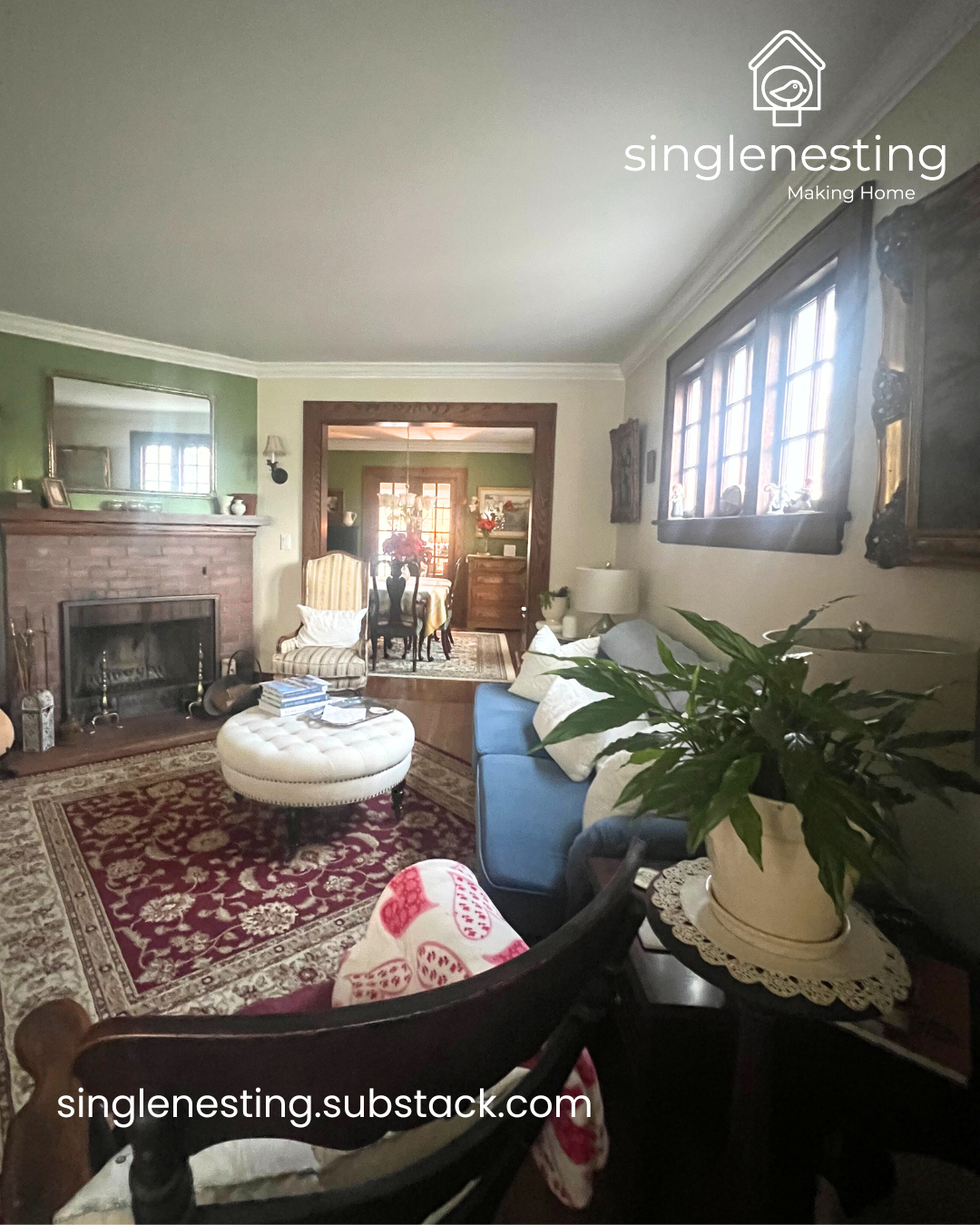
I wouldn't call myself a maximalist. And I'm definitely not a minimalist. I like my things. I also like to keep them.
So I coined a word for what I am: a middlemalist.
If you've ever found yourself somewhere between the two extremes, craving a home that feels calm and uncluttered, but also warm, layered, and full of meaning, you might be one too.
What is middlemalism?
Middlemalism is a home decorating philosophy that lives in the space between minimalism and maximalism. It's not about bare surfaces or stark white walls. But it's also not about filling every corner with things for the sake of it.
At its heart, middlemalism is about surrounding yourself with what you genuinely love and giving it room to breathe.
I enjoy collecting things: books, tchotchkes from travels, those one-of-a-kind finds from HomeGoods that you can't quite explain but just have to have. I haven't turned much toward thrifting only because my home already holds things you'd find in a thrift store. I’m blessed to be able to shop my house instead.
For me, middlemalism means a calm, uncluttered-feeling environment that still feels comfortable and personal. It provides what I think of as visual margin: white space for your brain to rest, breathe and settle.
One of my favorite middlemalist habits is packing things away to rotate them. There's something genuinely delightful about unwrapping a beloved object you'd carefully stored, rediscovering it like a small gift to yourself.
How is middlemalism different from minimalism and maximalism?
Minimalism asks you to pare down to only what's essential. Maximalism celebrates abundance and the more-is-more approach. Middlemalism asks a different question entirely: what do I love and how do I display it in a way that feels settled and intentional?
It's closer in spirit to the current wave of design thinking — (the design world in 2026 is broadly moving away from stark minimalism toward layered, lived-in warmth — middlemalism fits right in) — but it's less about trend and more about disposition.
Three ways to achieve a middlemalist aesthetic
1. Lay a calm and cozy foundation
Think gentle, warm and welcoming simplicity. Your foundation is your base: walls, large furniture, rugs. This sets the tone for everything layered on top.
Start with your base colors. Neutrals like warm whites, beige or soft linen work beautifully because they flex with any accent you bring in. If you're naturally drawn to a color, use it! For example, my couch is a beautiful mid-tone blue and I've built from there: gold or silver accents, warm whites, richly patterned rugs that read red but carry a blue element that ties it all together.
Key elements for this layer: natural materials like wood and woven textiles, comfortable furniture you can sink into, soft lighting, and, importantly, open spaces. Let your home breathe. The goal is a foundation that feels settled, safe and quietly lovely.
2. Add layers of texture and lived-in warmth
This is where coziness deepens. Go through your belongings and bring in throws, quilts, baskets, pottery, ceramics. Heirlooms are perfect here because pieces with history add warmth and a depth that nothing bought new can replicate.
Stack some books. Add soft lighting: beeswax candles, a lighted diffuser, a lamp with a warm-toned bulb. If your foundation is neutral, this layer is where gentle pattern starts to appear. Think a thin pinstripe, a delicate floral, a subtle gingham.
The idea in this step is evidence of a life being lived. Not curated perfection but the natural accumulation of comfort and gentle homemaking rhythms.
3. Top off with personality and a little whimsy
This is the cherry-on-top layer! It’s also the most personal one. Fill in open spaces with artwork you love: something passed down, painted for (or by!) you or found on a lucky thrifting afternoon. Display the trinkets and objects that hold special meaning. Rotate accent colors to keep a room feeling fresh.
The beauty here is that you control the volume. If you lean slightly maximalist, add a gallery wall. Or two. Line your shelves with beloved collections or pack your bookcases with volumes of books - read or unread. If you lean slightly minimalist, keep fewer things on display and rotate from storage more often. Neither is wrong. This is your story to tell and this layer is how you tell it.
What makes a middlemalist home feel right
I think there's variation in how we each interpret "quiet." For some, quiet is near-total stillness. For others, it's a gentle and pleasant hum in the background. Middlemalism allows for both.
A middlemalist home doesn't need to be finished to feel complete. It doesn't need to match. It doesn't need to look like anyone else's. It needs to feel like yours. Calm enough to rest in, personal enough to recognize as home.
Recommended Reading for Creating a Home You Love
- Four Ways to Craft Hospitality in Your Home
- Decorating Slowly and with Intention: How to Create a Home that Reflects You
- Springtime Hygge
🙋♀️Frequently asked questions about middlemalism
Who coined the term middlemalism?
I did! At least, I coined it for myself when I realized I didn't fit neatly into either minimalist or maximalist camps. It seems to resonate with a lot of people who feel the same.
Is middlemalism the same as "collected minimalism" or "warm minimalism"?
They share some DNA. Warm minimalism keeps things sparse but adds texture and natural materials. Middlemalism goes further, however. It genuinely welcomes collections, heirlooms and layers of meaning, as long as there's still visual breathing room. It's less edited than warm minimalism, more intentional than maximalism.
How do I keep a middlemalist home from feeling cluttered?
The foundation layer does most of the work here. When your base is calm and open, you can layer more on top without it feeling overwhelming. Rotation also helps enormously. Packing some items away and bringing others out keeps things feeling fresh and intentional rather than accumulated.
What's a good starting point for a middlemalist home on a budget?
Shop your house first. Move things between rooms, rotate what's in storage, rearrange your bookshelves. You'd be surprised how different a room feels when you simply edit what's visible. Add texture inexpensively with a throw, a new candle or a single piece of new-to-you pottery.
Is middlemalism a current interior design trend?
It fits right into where design is heading in 2025–2026: away from cold minimalism and toward warm, layered, lived-in spaces. But more than a trend, it's a temperament. If you've always decorated this way without having a name for it, now you do!
📨 Join the Newsletter
If you’re looking for gentle ways to add more cozy to your home, you’re invited to join Singlenesting Letters.
Each week, I share thoughtful, practical ways to create a home that feels calm, supportive and, most importantly, your own.
🔎 Search the Site
Looking for more ideas on finding your own Home Style? Explore the archives, you’re bound to find something that resonates.